
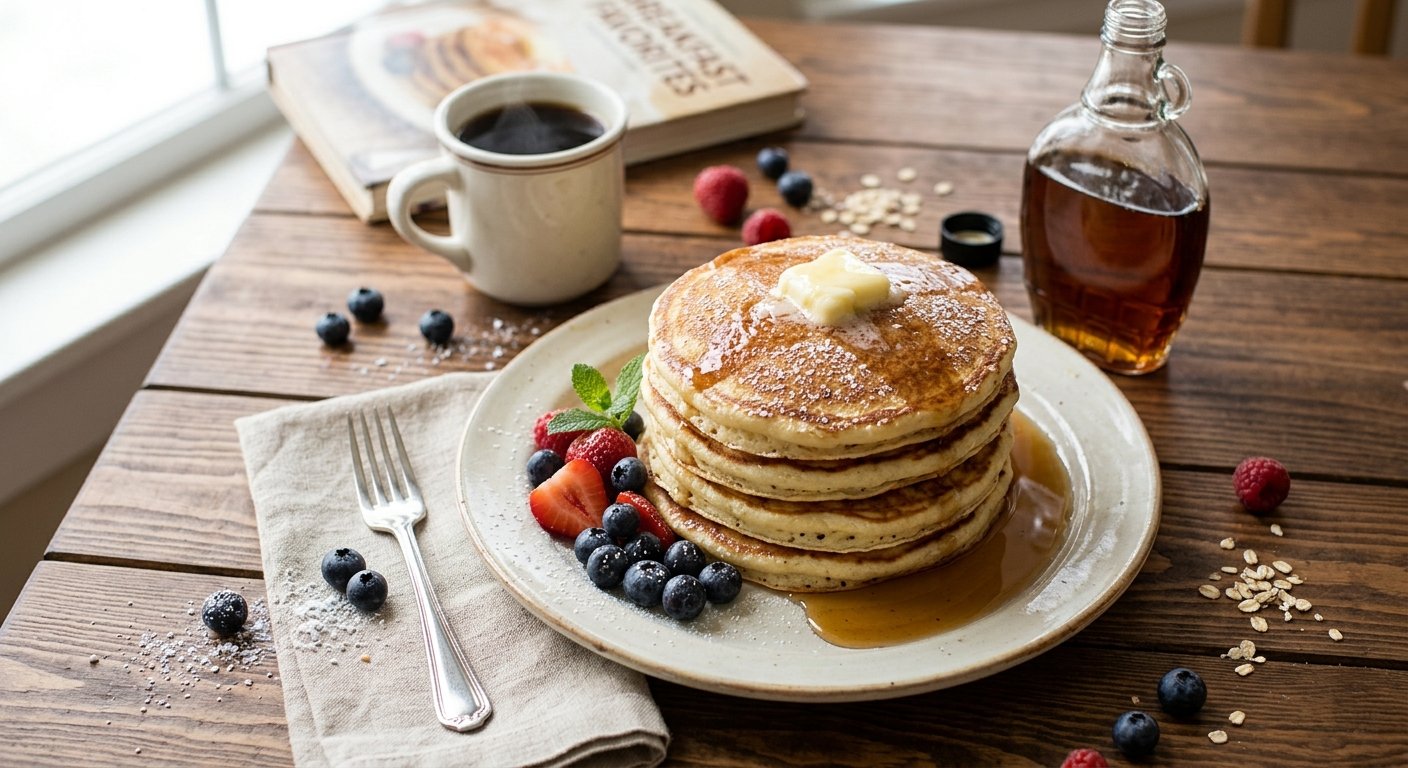
These Fluffy Buttermilk Pancakes from Scratch are soft, light, and tender, with golden edges and a deliciously rich flavor. Made with simple pantry ingredients and real buttermilk, these homemade pancakes are perfect for weekend breakfasts, brunch gatherings, or a cozy morning when you want something special without spending hours in the kitchen. They are easy to prepare, cook in just a few minutes, and taste wonderful with butter, maple syrup, fresh berries, or your favorite pancake toppings.
The secret to fluffy pancakes is using the right balance of leavening ingredients, keeping the batter slightly lumpy, and avoiding overmixing. Buttermilk adds a subtle tang that balances the sweetness while reacting with baking soda to help create a light, tender texture. Combined with baking powder, eggs, melted butter, and a little vanilla, it produces pancakes that rise beautifully on the griddle.
Another great thing about this recipe is that you do not need a boxed pancake mix. Everything comes together in one bowl for the dry ingredients and another for the wet ingredients, making preparation simple and cleanup easy. Whether you are cooking breakfast for your family or preparing a relaxed brunch with friends, these homemade pancakes are a reliable choice.
Serve them in a tall stack with warm maple syrup and a pat of butter, or customize them with chocolate chips, bananas, blueberries, or cinnamon. Once you learn how easy it is to make fluffy buttermilk pancakes from scratch, you may never want to reach for a store-bought mix again.
Why This Recipe Is a Must-Try
There are plenty of pancake recipes to choose from, but these homemade buttermilk pancakes stand out for their soft texture, classic flavor, and straightforward preparation.
1. Extra Fluffy and Tender
The combination of buttermilk, baking powder, and baking soda helps the pancakes rise as they cook. The result is a soft, airy center with lightly golden edges. Mixing the batter gently also helps keep the pancakes tender rather than dense or chewy.
2. Made with Simple Ingredients
You only need flour, sugar, eggs, buttermilk, butter, vanilla, and a few basic pantry staples. These ingredients are easy to find, and you may already have most of them in your kitchen.
3. Ready in About 25 Minutes
This recipe is perfect for busy mornings when you want a homemade breakfast without a complicated cooking process. Preparing the batter takes only a few minutes, and each pancake cooks quickly on a warm skillet or griddle.
4. Better Flavor Than Boxed Mixes
Fresh buttermilk gives the pancakes a mild tang that balances the sweetness, while melted butter adds a rich, homemade flavor. Vanilla brings everything together and makes the kitchen smell wonderful as the pancakes cook.
5. Easy to Customize
You can add blueberries, chocolate chips, sliced bananas, chopped nuts, or warming spices to the batter. These pancakes also pair beautifully with a wide range of toppings, from classic maple syrup to whipped cream and fresh fruit.
6. Perfect for Breakfast and Brunch
Serve these pancakes for a weekend breakfast, a holiday brunch, or a special family meal. They are easy to make in batches and can be kept warm in the oven while you finish cooking the remaining batter.
Key Ingredient Notes for Fluffy Buttermilk Pancakes from Scratch
Each ingredient plays an important role in creating fluffy, flavorful pancakes. A few simple details about choosing and preparing the ingredients can make a noticeable difference in the finished texture.
All-purpose flour: All-purpose flour creates the structure of the pancakes while keeping them tender. Measure it carefully by spooning the flour into a measuring cup and leveling the top rather than scooping directly from the bag, which can pack in too much flour and make the batter thick.
Buttermilk: Buttermilk is the star ingredient in this recipe. Its acidity reacts with baking soda to produce bubbles that help the pancakes rise. It also adds moisture and a pleasant tangy flavor. Full-fat buttermilk produces a rich result, but low-fat buttermilk can work as well.
Eggs: Eggs help bind the batter and provide structure. They also contribute moisture and richness, helping the pancakes hold their shape while remaining soft inside. For easier mixing, let the eggs sit at room temperature for a short time before preparing the batter.
Baking powder: Baking powder provides additional lift, helping the pancakes become tall and airy. Make sure it is fresh, as older baking powder may lose some of its effectiveness.
Baking soda: Baking soda reacts with the acidic buttermilk to produce carbon dioxide bubbles. This helps the pancakes rise and encourages a tender texture. Use the measured amount rather than adding extra, which can give the pancakes an unpleasant aftertaste.
Granulated sugar: A small amount of sugar adds sweetness and helps the pancakes develop golden-brown surfaces as they cook. You can reduce the amount slightly if you prefer to serve the pancakes with sweet toppings.
Unsalted butter: Melted butter adds richness and helps create a soft texture. Unsalted butter gives you better control over the seasoning. Let it cool slightly before mixing it with the eggs and buttermilk so the heat does not partially cook the eggs.
Vanilla extract: Vanilla gives the pancakes a warm, sweet aroma that complements the butter and buttermilk. Pure vanilla extract is a lovely choice, but imitation vanilla also works.
Salt: A little salt balances the sweetness and brings out the flavors of the other ingredients. Even sweet breakfast recipes benefit from a small amount of salt.
Maple syrup and toppings: Pure maple syrup is a classic finishing touch, but honey, fruit syrups, fresh berries, sliced bananas, whipped cream, or powdered sugar are also delicious options.
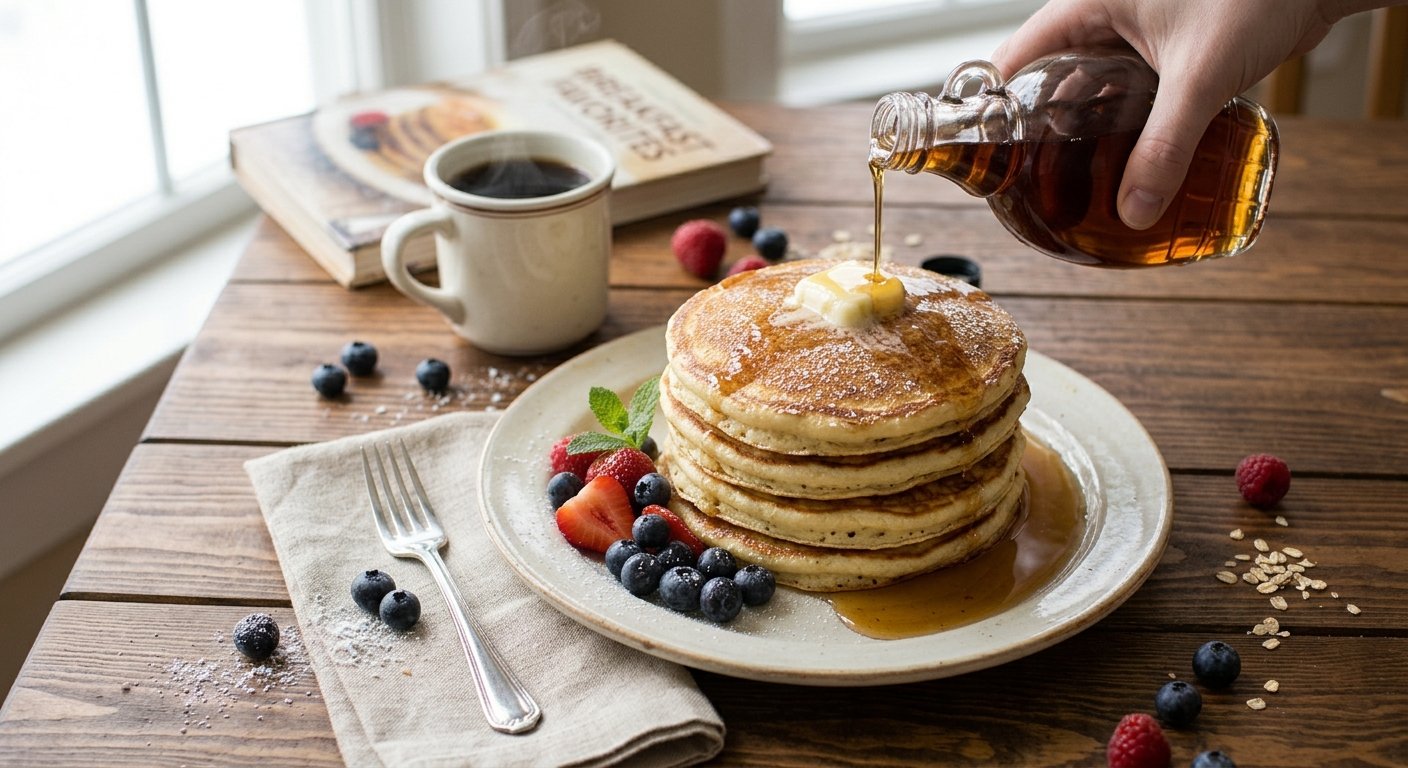
Recipe Card: Fluffy Buttermilk Pancakes from Scratch
Prep Time: 10 minutes
Resting Time: 5–10 minutes
Cook Time: 15 minutes
Total Time: Approximately 25–35 minutes
Servings: 4
Yield: Approximately 10–12 medium pancakes
Course: Breakfast, Brunch
Cuisine: American
Cooking Method: Stovetop
Looking for any of these ingredients? Simply click the links below to find them on Amazon and make shopping a little easier!
Ingredients
- 2 cups all-purpose flour
- 2 tablespoons granulated sugar
- 2 teaspoons baking powder
- ½ teaspoon baking soda
- ½ teaspoon salt
- 2 large eggs
- 2 cups buttermilk
- ¼ cup unsalted butter, melted and slightly cooled
- 1 teaspoon vanilla extract
- Butter or neutral cooking oil, for greasing the skillet
Serving:
- Maple syrup
- Butter
- Fresh berries
- Sliced bananas
- Powdered sugar (optional)
- Whipped cream (optional)
Instructions
- In a large bowl, whisk together the flour, sugar, baking powder, baking soda, and salt.
- In a separate bowl, whisk together the eggs, buttermilk, melted butter, and vanilla extract.
- Pour the wet ingredients into the dry ingredients. Stir gently until just combined, leaving a few small lumps in the batter.
- Let the batter rest for 5–10 minutes while heating a nonstick skillet or griddle over medium-low to medium heat.
- Lightly grease the cooking surface with butter or neutral oil.
- Pour approximately ¼ cup of batter onto the skillet for each pancake.
- Cook for 2–3 minutes, until bubbles appear across the surface and the edges begin to look set.
- Flip carefully and cook for another 1–2 minutes, until the second side is golden and the pancake is cooked through.
- Repeat with the remaining batter, adjusting the heat as needed and lightly greasing the skillet between batches.
- Serve warm with butter, maple syrup, and your favorite toppings.
Step-by-Step Guide with Pro Tips
Follow these simple steps to make Fluffy Buttermilk Pancakes from Scratch with a tender center and beautifully golden surfaces.
Step 1: Prepare the Dry Ingredients
In a large mixing bowl, whisk together the all-purpose flour, granulated sugar, baking powder, baking soda, and salt.
Whisk for about 20–30 seconds to distribute the leavening ingredients evenly throughout the flour. This helps the pancakes rise consistently and prevents pockets of baking soda or baking powder from remaining in the batter.
Pro tip: Measure the flour carefully. Too much flour can produce a thick batter that is difficult to spread and pancakes that feel heavy. For the most consistent results, use a kitchen scale if one is available.
Step 2: Mix the Wet Ingredients
In a separate bowl, whisk together the buttermilk, eggs, melted butter, and vanilla extract until combined.
Make sure the melted butter has cooled slightly before adding it. If the butter is extremely hot, it may cook small portions of the eggs or cause the mixture to separate.
The wet ingredients do not need to be perfectly smooth, but the eggs should be broken up and distributed evenly.
Pro tip: If the buttermilk and eggs are very cold, the melted butter may begin to solidify when mixed in. Using ingredients closer to room temperature can make the batter easier to combine.
Step 3: Combine the Wet and Dry Ingredients
Pour the wet ingredients into the bowl of dry ingredients. Stir gently with a whisk or spatula just until the flour is moistened.
The batter should look slightly lumpy. A few small lumps are completely normal, so avoid mixing until the batter becomes perfectly smooth.
Overmixing develops the gluten in the flour, which can make pancakes tough or rubbery instead of light and tender.
Pro tip: Use a gentle folding motion and stop as soon as you no longer see large patches of dry flour. It is better to have a few small lumps than an overworked batter.
Step 4: Let the Batter Rest
Allow the batter to rest for approximately 5–10 minutes while you preheat the cooking surface.
This short resting period gives the flour time to absorb moisture and allows some of the bubbles created by the leavening ingredients to develop. It also makes the batter a little more uniform.
Avoid leaving the batter to rest for an excessively long time, because the leavening reaction gradually loses some of its lifting power.
Pro tip: Do not stir the batter vigorously again after it has rested. If the batter looks slightly thicker, that is normal. A gentle fold is enough if the ingredients need to be redistributed.
Step 5: Preheat the Skillet or Griddle
Heat a nonstick skillet or griddle over medium-low to medium heat. If your griddle has a temperature setting, aim for approximately 350°F (175°C).
Lightly grease the cooking surface with a little butter or neutral cooking oil. Wipe away any excessive grease with a paper towel so the pancakes cook evenly rather than frying in a layer of fat.
To check the temperature, drop a small amount of batter onto the skillet. It should begin cooking gently and form bubbles without burning immediately.
Pro tip: A pan that is too hot can brown the outside before the center has cooked. If the first pancake becomes dark too quickly, lower the heat slightly before continuing.
Step 6: Pour the Pancake Batter
Scoop approximately ¼ cup of batter for each pancake and pour it onto the prepared cooking surface. Leave enough space between the pancakes so you can flip them easily.
The batter should spread into a round shape without needing much assistance. If you prefer larger pancakes, you can use a slightly larger portion, but keep the pancakes reasonably consistent in size so they cook evenly.
Pro tip: Avoid pressing down on the batter or spreading it aggressively with a spoon. Leaving the batter undisturbed helps preserve the air bubbles that contribute to a fluffy texture.
Step 7: Cook Until Bubbles Appear
Cook the pancakes for approximately 2–3 minutes on the first side. Watch for small bubbles forming across the surface, with some bubbles beginning to pop. The edges should start to look set rather than wet.
Gently slide a thin spatula underneath one pancake to check the underside. It should be golden brown and release from the skillet easily.
If the pancakes are browning too quickly while the centers are still wet, reduce the heat slightly.
Pro tip: Do not rely on bubbles alone. The edges should also look set before flipping. Waiting for these signs helps the pancakes hold their shape and makes flipping easier.
Step 8: Flip and Finish Cooking
Carefully flip each pancake with a thin spatula. Cook the second side for approximately 1–2 minutes, or until golden and cooked through.
Avoid pressing down on the pancakes with the spatula. Pressing forces out some of the air and can make the finished pancakes flatter.
Transfer the cooked pancakes to a plate and repeat with the remaining batter. Lightly grease the skillet between batches if needed.
Pro tip: Flip each pancake only once whenever possible. Repeated flipping can interfere with an even rise and make the texture less tender.
Step 9: Keep the Pancakes Warm
If you are cooking a large batch, place the finished pancakes on a baking sheet in a low oven set to approximately 200°F (95°C) while you prepare the rest.
Arrange them in a single layer rather than stacking them tightly, as trapped steam can soften the golden surfaces.
Pro tip: Keep the pancakes in the oven only while finishing the batch. Prolonged warming can dry them out, especially if the oven is too hot.
Step 10: Add Your Favorite Toppings and Serve
Serve the Fluffy Buttermilk Pancakes from Scratch while they are warm. Add a small pat of butter, drizzle with maple syrup, and finish with fresh berries or sliced bananas if desired.
For a special brunch, add whipped cream, toasted nuts, chocolate chips, or a dusting of powdered sugar. You can also serve them with scrambled eggs, yogurt, or fresh fruit for a more complete breakfast.
Pro tip: Add butter and syrup just before serving to keep the pancakes looking appealing and prevent them from becoming soggy while they wait at the table.
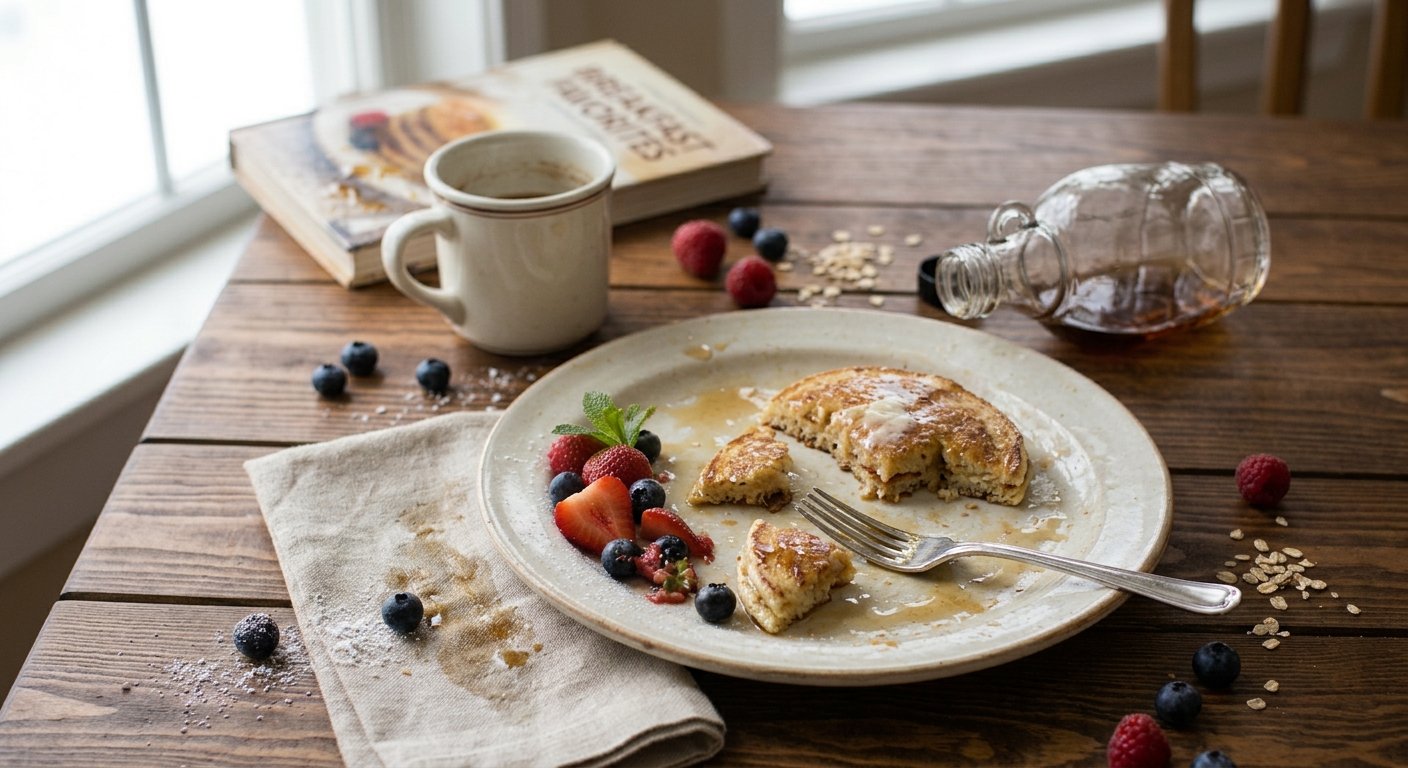
Variations & Serving Suggestions for Fluffy Buttermilk Pancakes from Scratch
One of the best things about homemade buttermilk pancakes is how easy they are to customize. You can add different ingredients to the batter or experiment with toppings to create a new breakfast every time.
Make Blueberry Buttermilk Pancakes
For a fruity variation, gently fold approximately ¾ cup of fresh or frozen blueberries into the batter just before cooking.
If using frozen blueberries, add them directly from the freezer rather than thawing them first. This helps minimize excess moisture and color bleeding.
You can also scatter a few blueberries onto each pancake after pouring the batter onto the skillet. Serve with maple syrup and extra fresh berries.
Make Chocolate Chip Pancakes
Add ½ cup of chocolate chips to the batter for a sweet breakfast treat. Milk chocolate, semi-sweet chocolate, or dark chocolate chips all work well.
For a more even distribution, sprinkle a few chocolate chips over each pancake after pouring the batter into the skillet. This method allows you to control how many chips appear in each serving.
Serve with sliced strawberries, bananas, or a little whipped cream for a dessert-inspired breakfast.
Add Bananas and Cinnamon
Mash one ripe banana and gently fold it into the wet ingredients before combining them with the dry ingredients. Add ½ teaspoon of ground cinnamon for extra warmth.
Because bananas add moisture and natural sweetness, the batter may become slightly thicker and the pancakes may brown a little faster. Cook over moderate heat and allow the centers enough time to finish cooking.
Serve with banana slices, toasted walnuts, and maple syrup.
Make Whole-Wheat Buttermilk Pancakes
Replace up to half of the all-purpose flour with whole-wheat flour for a heartier texture and a deeper, nutty flavor.
Whole-wheat flour absorbs more liquid than all-purpose flour, so you may need a small splash of additional buttermilk if the batter becomes unusually thick.
For the fluffiest result, avoid replacing all the flour at once unless you are using a recipe specifically developed for whole-wheat pancakes.
Add Lemon and Poppy Seeds
For a bright, bakery-inspired variation, add 1 teaspoon of finely grated lemon zest and 1 tablespoon of poppy seeds to the dry ingredients.
The lemon provides a fresh citrus aroma that pairs beautifully with buttermilk. Serve the pancakes with fresh berries, a little honey, or lemon-infused syrup.
Make Them Extra Rich
For a richer texture, replace a small portion of the buttermilk with plain Greek yogurt and adjust with enough buttermilk to keep the batter scoopable. You can also add an extra tablespoon of melted butter.
Remember that significant changes to the liquid and fat balance can affect how the pancakes rise, so keep substitutions moderate for reliable results.
Choose Your Favorite Toppings
Classic maple syrup and butter are always delicious, but these pancakes pair well with many different toppings, including:
- Fresh strawberries, blueberries, or raspberries
- Sliced bananas
- Honey or maple syrup
- Peanut butter or almond butter
- Greek yogurt
- Toasted pecans or walnuts
- Whipped cream
- Powdered sugar
- Fruit compote or warm berry sauce
For a balanced breakfast, serve the pancakes with fresh fruit, yogurt, and eggs. For a weekend brunch, create a pancake platter with several toppings so everyone can assemble their own stack.
Serve Them with a Complete Breakfast
These pancakes can be the main feature of a breakfast spread or part of a larger brunch menu. Pair them with scrambled eggs, turkey bacon, sausage, fresh fruit, or a yogurt bowl.
If you are cooking for a group, make the pancakes in batches and keep them warm in a low oven until the entire stack is ready. Serve the toppings separately to make the meal easy to customize.
Nutrition Information
The following nutrition information is an estimate for one serving, assuming the recipe makes four servings and each serving contains approximately 2–3 medium pancakes. Actual values depend on pancake size, the specific ingredients used, and whether additional toppings are included.
Estimated nutrition per serving, without toppings:
- Calories: 300–380 kcal
- Carbohydrates: 40–50 g
- Protein: 9–12 g
- Fat: 10–15 g
- Saturated Fat: 5–8 g
- Fiber: 1–2 g
- Sugar: 6–10 g
- Sodium: 450–650 mg
Flour provides most of the carbohydrates, while eggs and buttermilk contribute protein. Butter adds richness, and buttermilk supplies moisture and a mild tangy flavor.
For a lighter variation, use slightly less butter or serve smaller portions with fresh berries. Whole-wheat flour can increase the fiber content, while Greek yogurt or eggs served on the side can add more protein to the overall meal.
Keep in mind that maple syrup, chocolate chips, whipped cream, and additional butter can increase the calories, sugar, and fat considerably. These figures are general estimates rather than a precise nutritional analysis of a specific brand or ingredient combination.
Storage and Reheating Tips for Fluffy Buttermilk Pancakes from Scratch
Homemade buttermilk pancakes are best enjoyed fresh, but they can also be stored and reheated for convenient breakfasts throughout the week.
Refrigeration: Allow leftover pancakes to cool completely, then store them in an airtight container in the refrigerator for up to 3–4 days.
Reheating in the microwave: Place one or two pancakes on a microwave-safe plate and heat for approximately 20–30 seconds per pancake, checking the texture before adding more time. Avoid overheating, as this can make the pancakes dry or rubbery.
Reheating in the oven: Preheat the oven to 350°F (175°C). Arrange the pancakes on a baking sheet, cover loosely with foil, and warm for approximately 5–10 minutes, until heated through.
Reheating in a toaster: For pancakes that are not too thick, a toaster can warm them quickly and lightly crisp the edges. Watch them carefully to prevent burning.
Freezing: Let the pancakes cool completely. Place them in a single layer on a baking sheet and freeze until firm, then transfer them to a freezer-safe bag or container with parchment paper between the layers. For best quality, use within 2–3 months.
Reheating from frozen: Warm frozen pancakes in the microwave, toaster, or oven until heated through. Depending on their thickness and the appliance, they may need additional time compared with refrigerated pancakes.
Make-ahead tip: You can measure the dry ingredients in advance and store them in an airtight container. When you are ready to cook, combine them with the wet ingredients. This keeps breakfast preparation quick while helping the pancakes retain their best texture.
Food safety tip: Refrigerate cooked pancakes within two hours of preparation. Keep toppings such as whipped cream and dairy-based sauces refrigerated until serving.
Conclusion
These Fluffy Buttermilk Pancakes from Scratch are an easy way to bring a classic homemade breakfast to your table. With their tender centers, golden surfaces, and rich buttermilk flavor, they are a delicious alternative to boxed pancake mixes and a recipe you can enjoy throughout the year.
For the best results, measure the flour carefully, use fresh leavening ingredients, and avoid overmixing the batter. Letting the batter rest briefly and cooking the pancakes over moderate heat helps them rise evenly while developing a beautiful golden color.
Serve them with butter and maple syrup for a timeless breakfast, or customize them with berries, chocolate chips, bananas, and your favorite toppings. Whether you are preparing a quick weekday breakfast or a relaxed weekend brunch, these fluffy homemade pancakes are sure to become a family favorite.
Frequently Asked Questions
1. What makes buttermilk pancakes fluffy?
Fluffy Buttermilk Pancakes from Scratch become fluffy through a combination of baking powder, baking soda, and the acidic buttermilk. These ingredients help produce bubbles that expand as the pancakes cook. Gentle mixing also matters because overmixing can develop too much gluten in the flour, creating dense or chewy pancakes instead of a soft, airy texture.
2. Can I make buttermilk pancakes without real buttermilk?
Yes. If you do not have buttermilk, you can make a substitute by adding 1 tablespoon of lemon juice or white vinegar to a measuring cup, then adding enough milk to reach 1 cup. Let it stand for about 5–10 minutes before using. For this recipe, prepare 2 cups of the substitute. The flavor and texture may differ slightly from pancakes made with commercial buttermilk, but the substitute works well for many home recipes.
3. Why are my homemade pancakes flat or dense?
Flat or dense pancakes may result from expired baking powder or baking soda, overmixed batter, overly thin batter, or a cooking surface that is too hot. Check that your leavening ingredients are fresh and stir the batter only until the dry ingredients are moistened. Let it rest briefly and cook over medium-low to medium heat so the centers have time to cook as the pancakes rise.
4. Can I prepare pancake batter the night before?
For the fluffiest results, it is best to mix the batter shortly before cooking. The baking soda begins reacting with the acidic buttermilk once the wet and dry ingredients are combined, and the batter may lose some of its lifting power if it sits overnight. Instead, measure the dry ingredients in advance, refrigerate the wet ingredients separately, and combine everything in the morning.
5. Can I freeze homemade buttermilk pancakes?
Yes. Allow the pancakes to cool completely, freeze them in a single layer until firm, and then transfer them to a freezer-safe bag or container. Place parchment paper between the pancakes to make them easier to separate. For the best quality, use them within 2–3 months. Reheat frozen pancakes in the microwave, toaster, or oven until warmed through, and add butter and syrup just before serving.
Buttermilk Pancakes
Ingredients
- 2 cups all-purpose flour
- 2 tablespoons granulated sugar
- 2 teaspoons baking powder
- ½ teaspoon baking soda
- ½ teaspoon salt
- 2 large eggs
- 2 cups buttermilk
- ¼ cup unsalted butter melted and slightly cooled
- 1 teaspoon vanilla extract
- Butter or neutral cooking oil for greasing the skillet
Serving:
- Maple syrup
- Butter
- Fresh berries
- Sliced bananas
- Powdered sugar optional
- Whipped cream optional
Instructions
- In a large bowl, whisk together the flour, sugar, baking powder, baking soda, and salt.
- In a separate bowl, whisk together the eggs, buttermilk, melted butter, and vanilla extract.
- Pour the wet ingredients into the dry ingredients. Stir gently until just combined, leaving a few small lumps in the batter.
- Let the batter rest for 5–10 minutes while heating a nonstick skillet or griddle over medium-low to medium heat.
- Lightly grease the cooking surface with butter or neutral oil.
- Pour approximately ¼ cup of batter onto the skillet for each pancake.
- Cook for 2–3 minutes, until bubbles appear across the surface and the edges begin to look set.
- Flip carefully and cook for another 1–2 minutes, until the second side is golden and the pancake is cooked through.
- Repeat with the remaining batter, adjusting the heat as needed and lightly greasing the skillet between batches.
- Serve warm with butter, maple syrup, and your favorite toppings.